For families experiencing college athletic recruiting for the first time, the process can feel overwhelming.
When should an athlete contact coaches? Do college coaches discover athletes on their own? Are recruiting camps necessary? What role do academics play? And how does a family know whether a college is actually interested?
While every sport, athlete, school, and college program is different, understanding the basic recruiting process can help Arizona families approach it with greater confidence.
1 Recruiting Often Starts Before an Offer
One of the biggest misconceptions about college recruiting is that talented athletes simply wait for college coaches to discover them.
Sometimes coaches do identify athletes through games, tournaments, camps, film, recruiting services, or recommendations.
But athletes can also benefit from being proactive. That can include developing quality game film, communicating appropriately with college programs, attending relevant camps or showcases, visiting campuses, maintaining academic eligibility, and working with their high school or club coaches.
“The goal isn’t simply to collect offers. It’s to find college opportunities that fit the athlete academically, athletically, financially, and personally.”
2 Build Your Athletic Profile
College coaches need information to evaluate an athlete. Depending on the sport, an athletic profile may include:
- Name, graduation year, school, position, height, and other relevant information
- Academic information — GPA, test scores, intended major
- Highlight and/or full game film
- Verified statistics or measurable results when appropriate
- Competition schedule (upcoming tournaments, games, showcases)
- High school or club coach contact information
- Relevant athletic accomplishments
Athletes should never feel pressured to exaggerate statistics or accomplishments. Coaches are evaluating the athlete as both a competitor and a potential member of their program. Accuracy builds credibility. Exaggeration destroys it.
3 Academics Matter
Athletes and families should pay attention to academics from the beginning of high school rather than waiting until senior year.
Different colleges and athletic associations have different eligibility requirements, and admission standards vary by institution. Strong academic performance can also create additional college options beyond athletic opportunities.
Families considering NCAA programs should review the current eligibility information provided by the NCAA Eligibility Center. Athletes considering other collegiate associations — NAIA, NJCAA, and others — should review the applicable requirements for those organizations as well.
Because recruiting and eligibility rules can change, families should verify requirements directly with the appropriate governing organization and prospective colleges rather than relying on second-hand information.
4 Create Quality Film
For many sports, video is an important part of recruiting.
A highlight video should make it easy for a coach to identify the athlete and evaluate relevant skills. Depending on the sport and program, coaches may also request full-game footage because it provides context that a highlight reel cannot.
“The objective isn’t flashy editing. The objective is helping coaches evaluate the athlete.”
5 Communicate With College Coaches
Athletes do not necessarily need to wait for a college coach to make the first move.
Appropriate outreach can introduce an athlete to programs that may not have discovered them yet. Messages should generally be concise, professional, personalized, and contain the information a coach needs to learn more about the athlete.
Important: Recruiting communication rules differ by sport, division, governing organization, and stage of the recruiting process. Families should familiarize themselves with the current rules governing coach-athlete communication before reaching out.
6 Attend Camps and Showcases Strategically
Camps and showcases can provide exposure, but families don’t necessarily need to attend every event advertised to them.
Before spending money on travel and registration, ask:
- Which colleges will actually be represented?
- Does the event fit the athlete’s ability and recruiting goals?
- Is the athlete genuinely interested in those schools?
- Will coaches have an opportunity to evaluate participants?
A smaller event attended by programs that genuinely fit the athlete may sometimes be more valuable than a large event with little connection to the athlete’s goals.
7 Visit College Campuses
A recruiting process shouldn’t only be about whether a college wants the athlete. The athlete should also be evaluating the college.
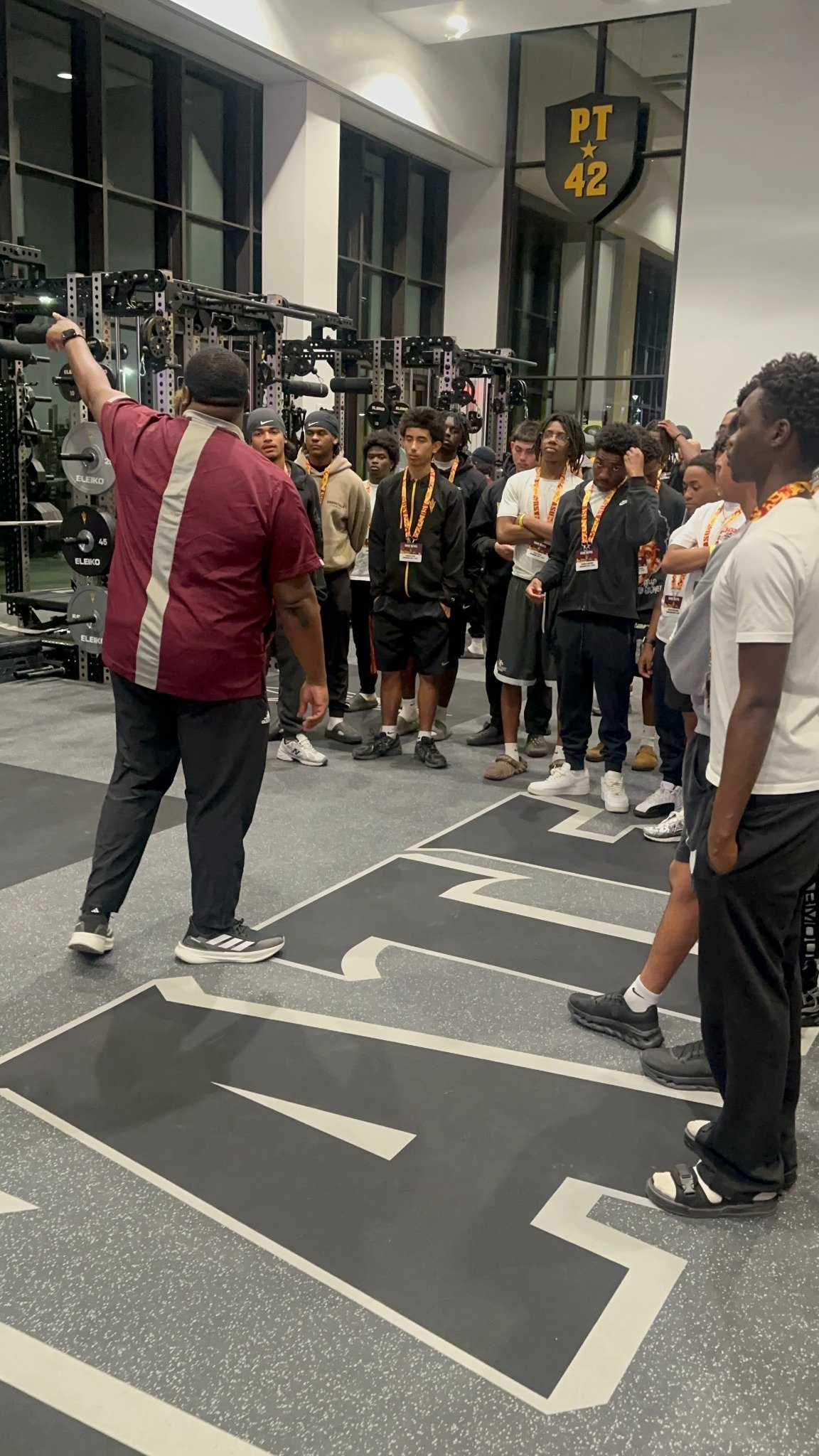
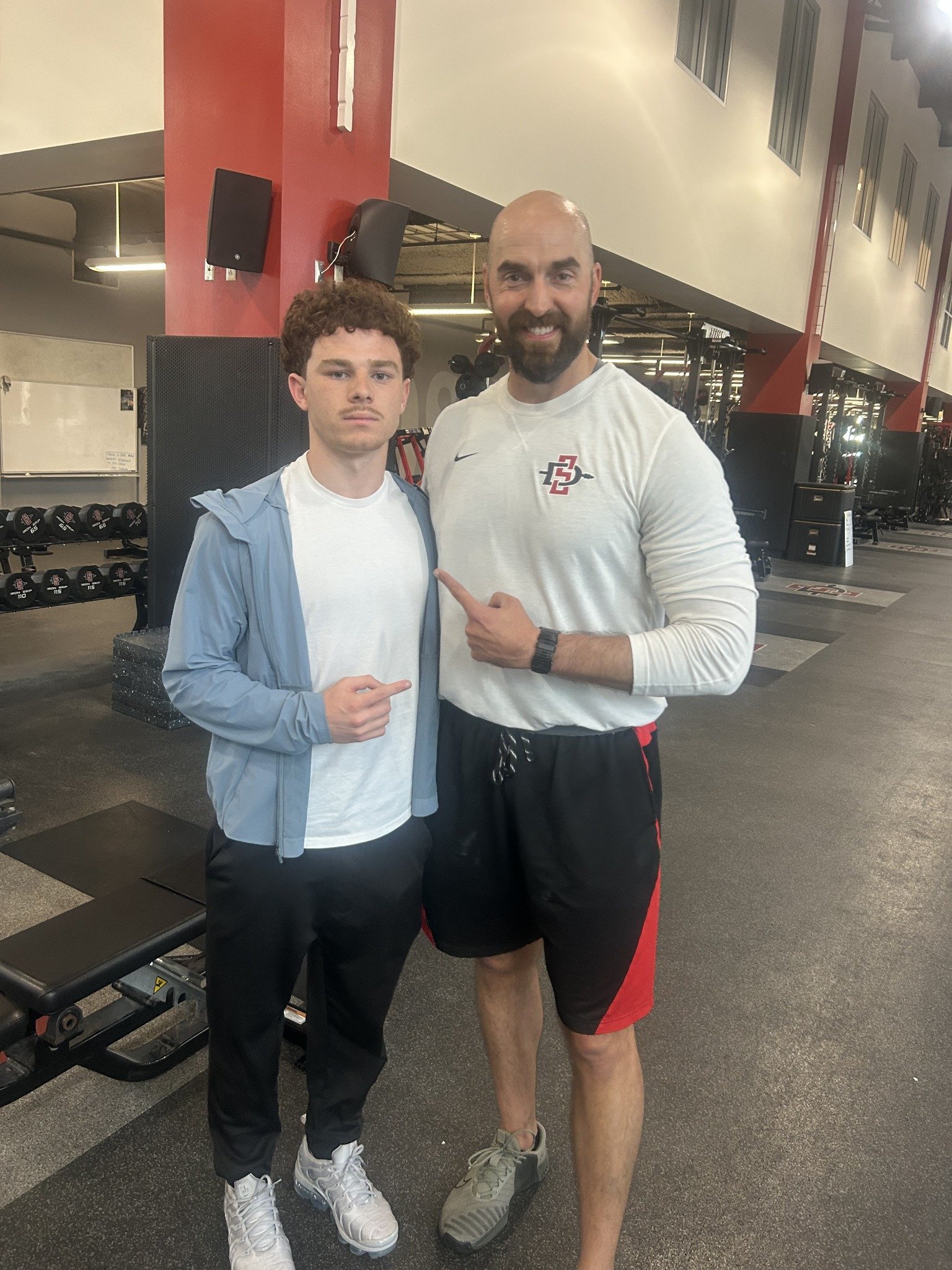
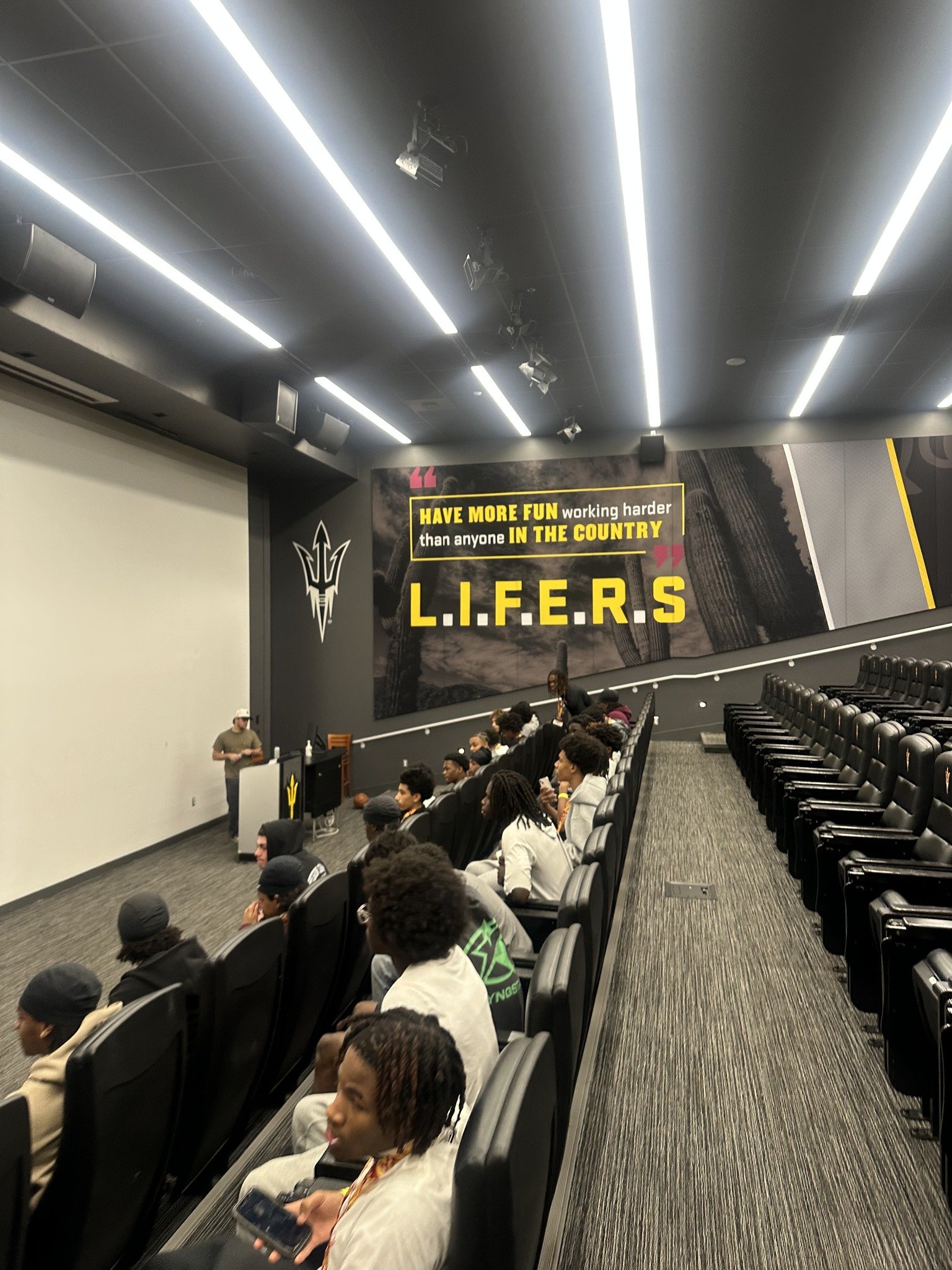
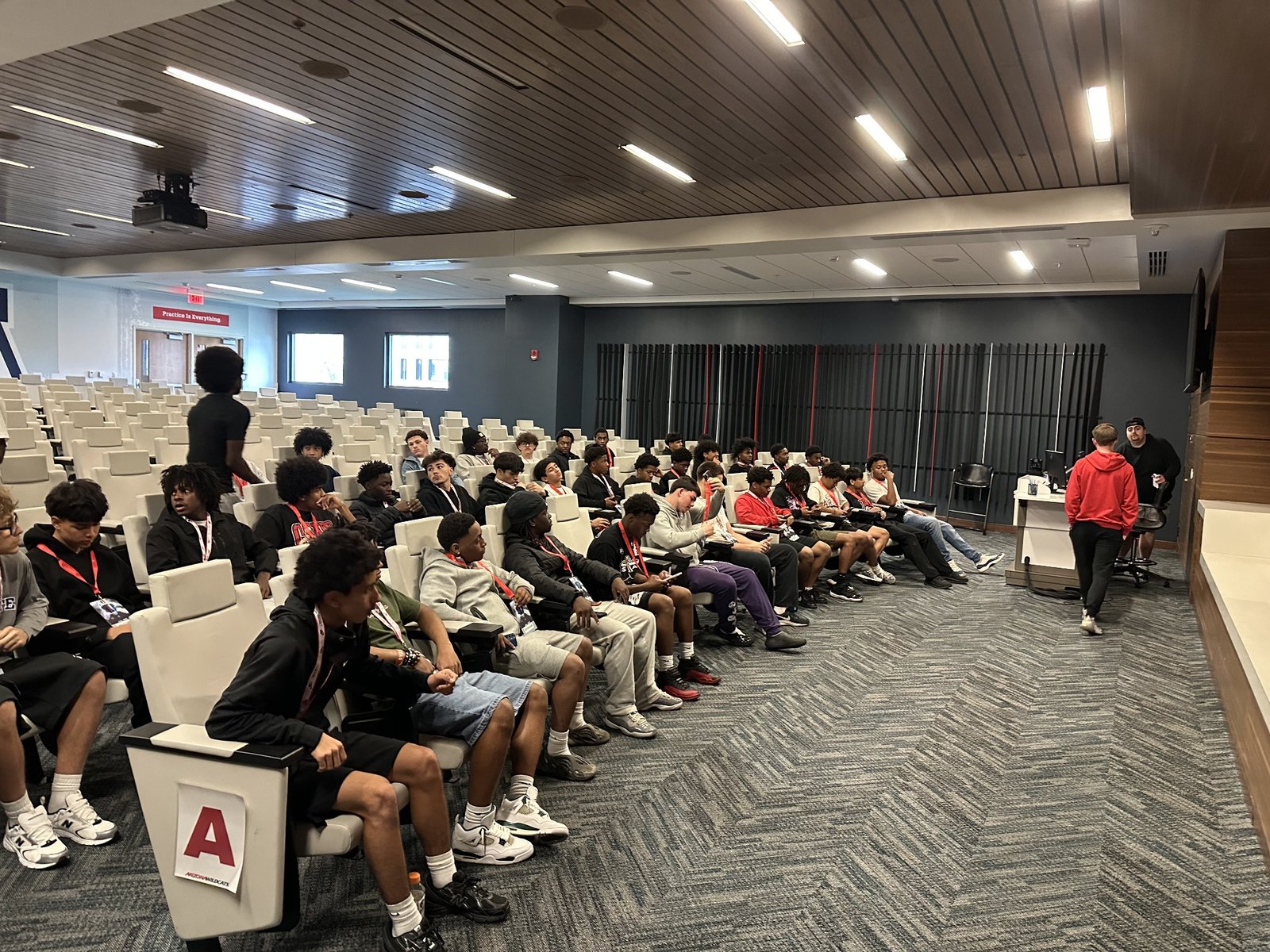
Campus visits can help student-athletes better understand the academic environment, athletic facilities, campus culture, location, available majors, and expectations of the athletic program.
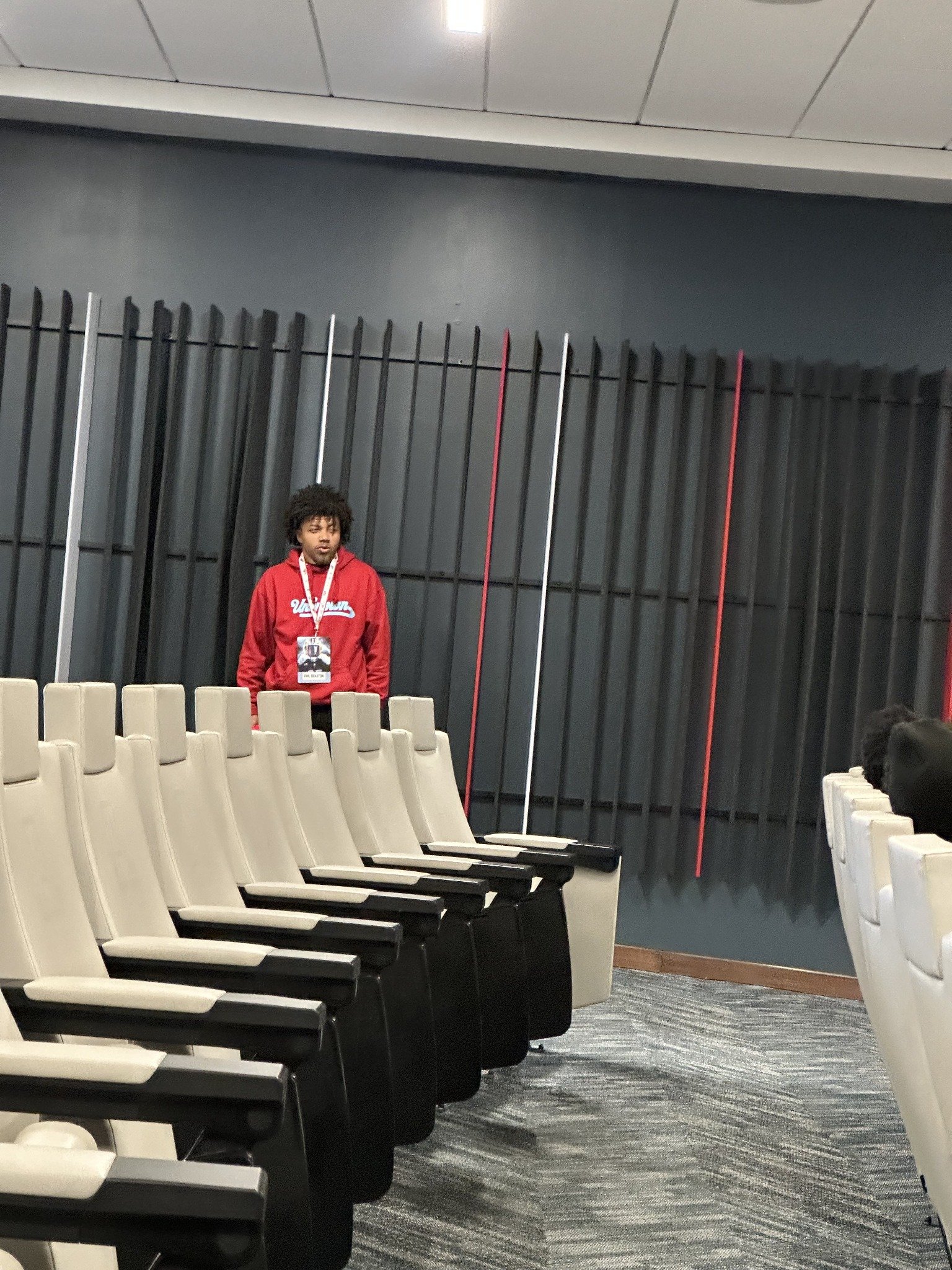
“Could I see myself attending this college even if athletics were no longer part of the equation?”
That’s an important question because college is ultimately both an athletic and educational decision. Programs end. Injuries happen. A college should be somewhere an athlete genuinely wants to be — not only a place where they play a sport.
8 Understand What “Interest” Means
Not every recruiting interaction means the same thing.
A coach watching a game, following an athlete online, inviting an athlete to a camp, requesting film, communicating directly with the athlete, arranging a visit, and extending an offer can represent very different stages of recruiting.
Families should avoid making assumptions and should feel comfortable asking respectful questions about where the athlete stands with a program. Clarity is a reasonable ask — and any coach worth playing for will respect it.
9 Don’t Ignore Financial Fit
Athletic opportunity does not automatically mean a full athletic scholarship.
Scholarship availability and financial aid structures vary significantly among colleges, sports, divisions, and individual programs. Families should look at the complete financial picture, including tuition, housing, fees, scholarships, grants, financial aid, and other available assistance.
“Understanding the true cost of attendance can be just as important as understanding the athletic opportunity.”
Recruiting Is About Finding the Right Opportunity
There isn’t one recruiting path that works for every Arizona student-athlete.
Some athletes may be recruited early. Others may find their opportunity later. Some will compete at major universities, while others may discover that a smaller college provides an excellent athletic and academic fit.
What matters is creating opportunities for athletes to be evaluated while helping them make informed decisions about their futures.
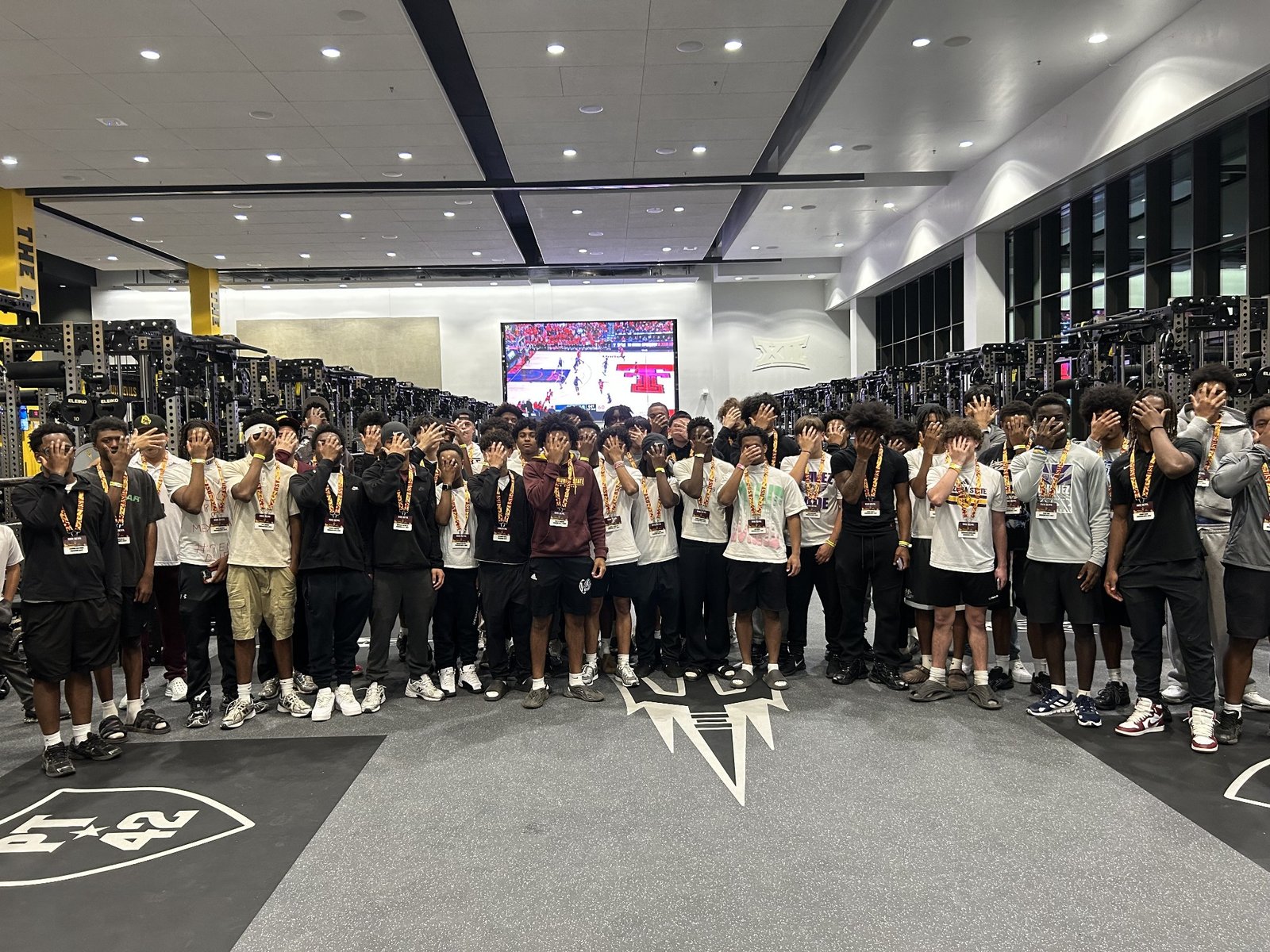
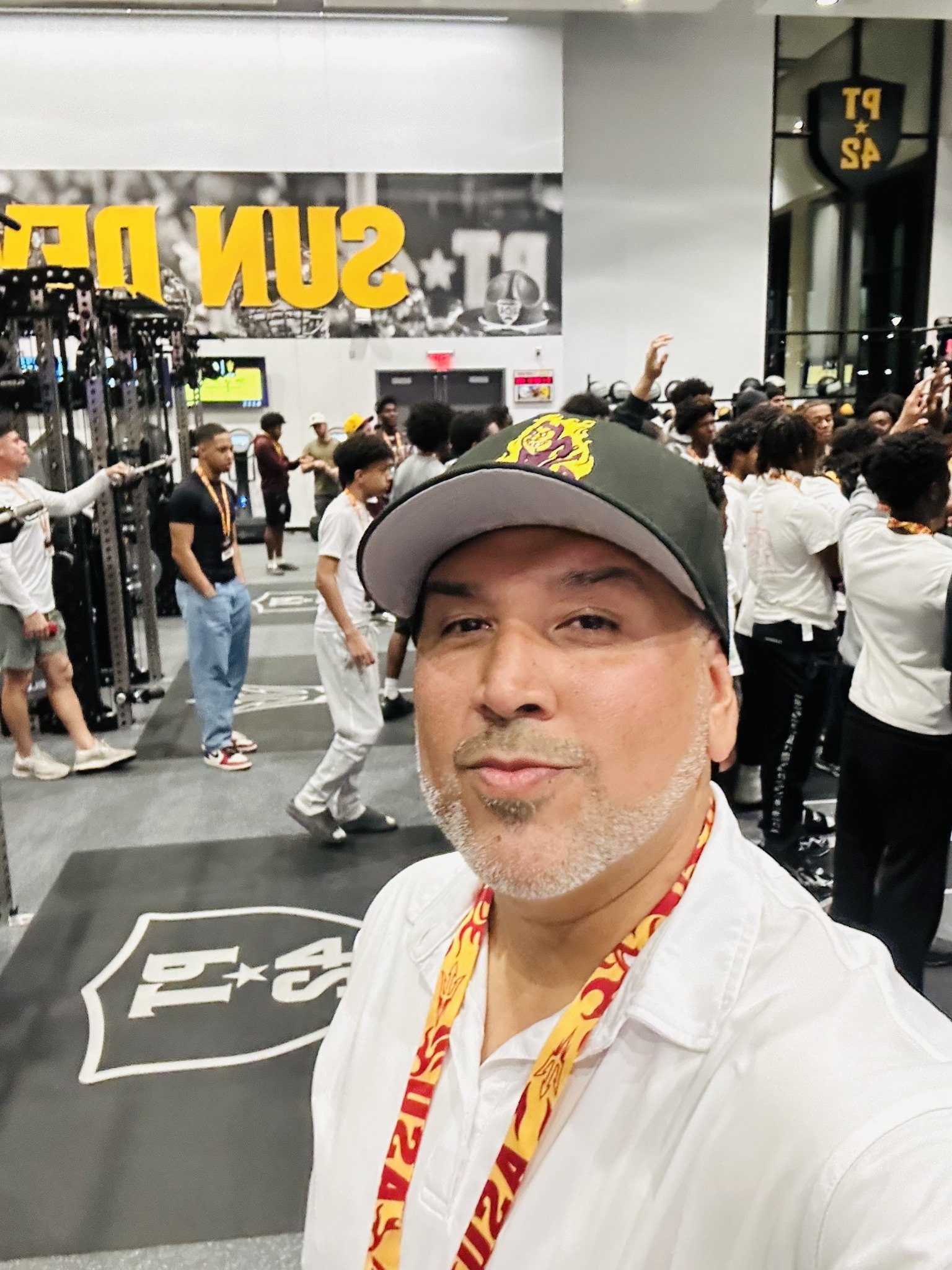
At the Arizona Boosters Foundation, we believe access to opportunity matters. Through initiatives such as Driving Opportunity, our goal is to help reduce barriers that can prevent Arizona student-athletes from experiencing college environments and pursuing opportunities beyond high school.
Talent can open the door. Access can help an athlete reach it.
Help More Arizona Athletes Get in Front of Coaches
ABF’s Driving Opportunity initiative helps student-athletes visit college campuses, meet coaches, and experience what competing at the next level looks like — regardless of their ZIP code.